Physical Environment Sensing Sensors
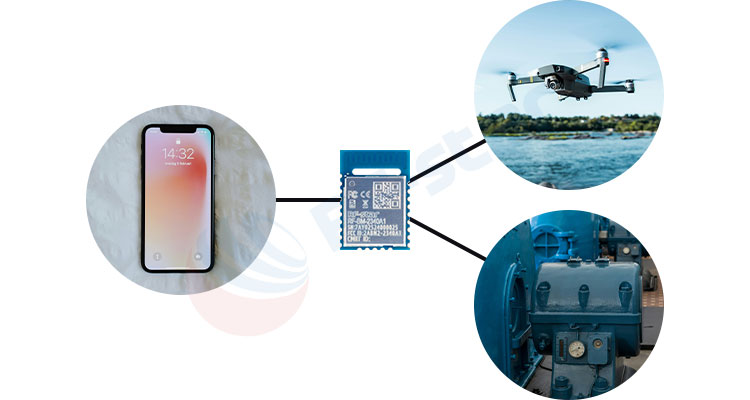
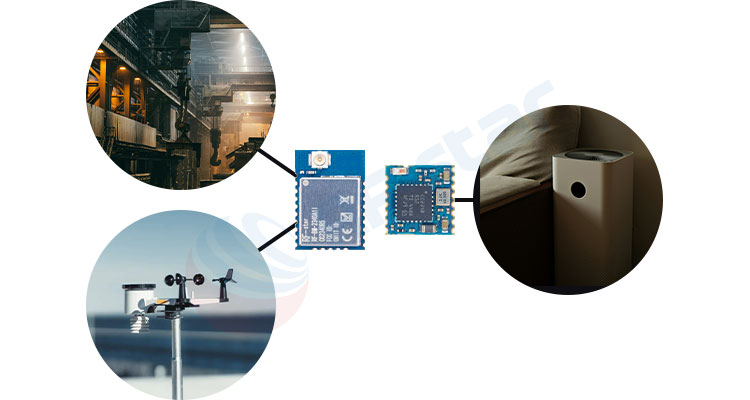
Motion State Monitoring: Accelerometers/gyroscopes are used in smartphones, drones, and industrial equipment vibration monitoring.
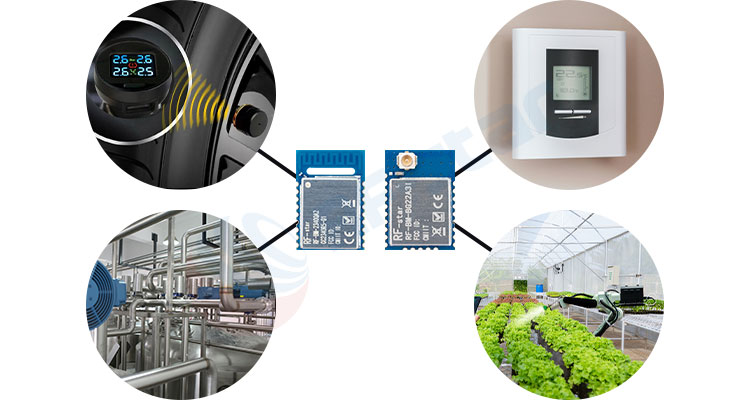
Mechanical and Environmental Sensing: Pressure sensors are applied in automotive TPMS and industrial pipeline monitoring; temperature and humidity sensors are used in smart homes and agricultural greenhouses.
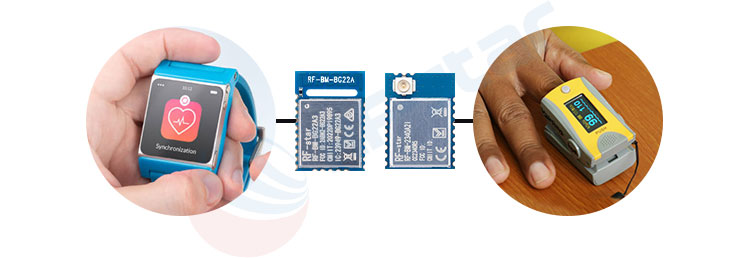
Biochemical and Medical Sensors
Environmental Quality Detection: Gas sensors are used for industrial safety and air quality monitoring; PM2.5 sensors are integrated into air purification equipment.
Vision and Acoustic Sensors
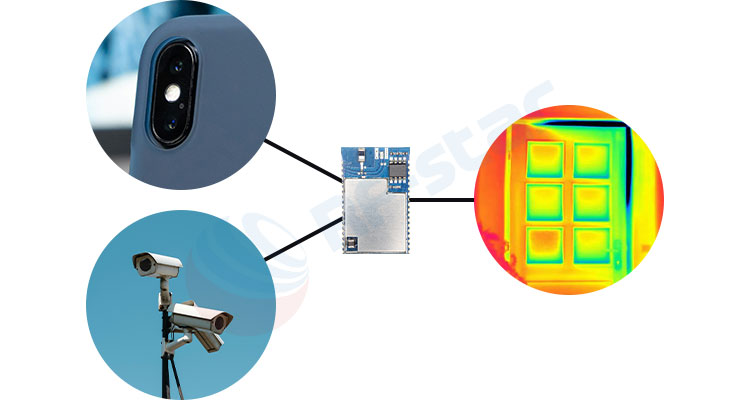
Image Sensing Systems: CMOS/CCD sensors drive smartphone cameras and security surveillance; infrared thermal imaging is used for body temperature screening.
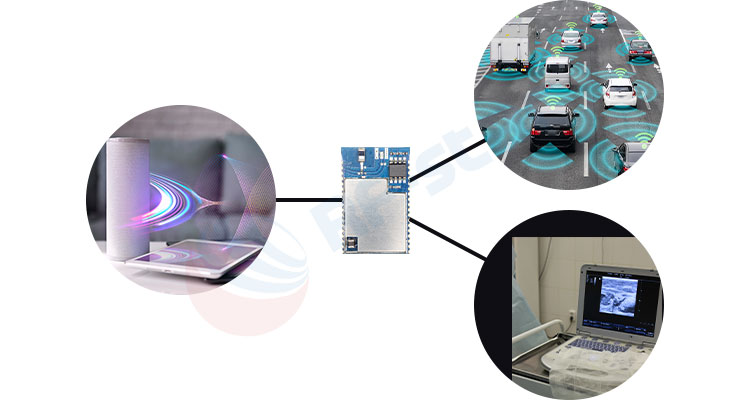
The sensor market is trending towards miniaturization, low power consumption, and high integration. In 2024, the global market size exceeded $200 billion, with a compound annual growth rate (CAGR) exceeding 8%.
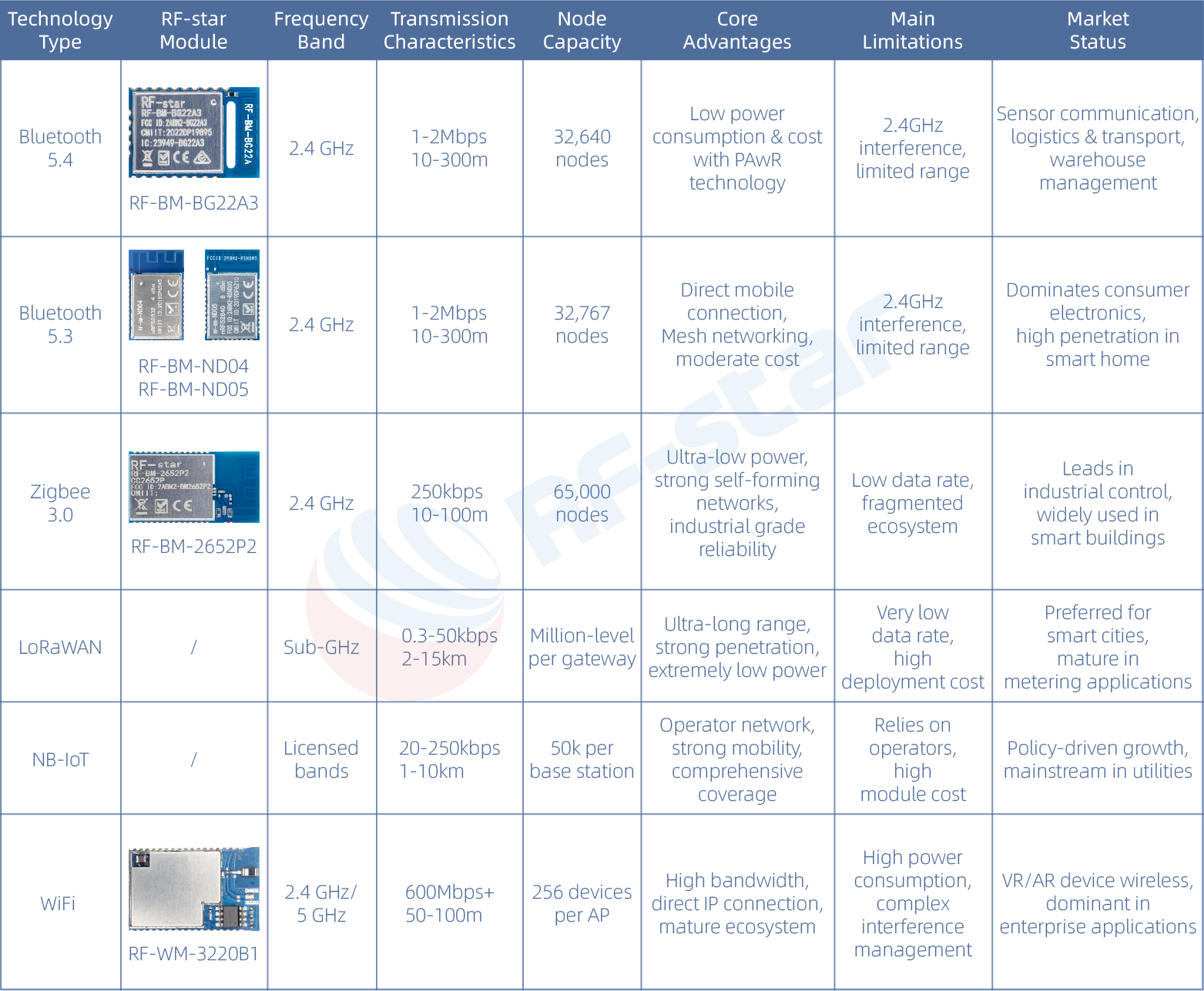
Wireless Technology Performance Comparison
Architectural Innovation and Performance Leap
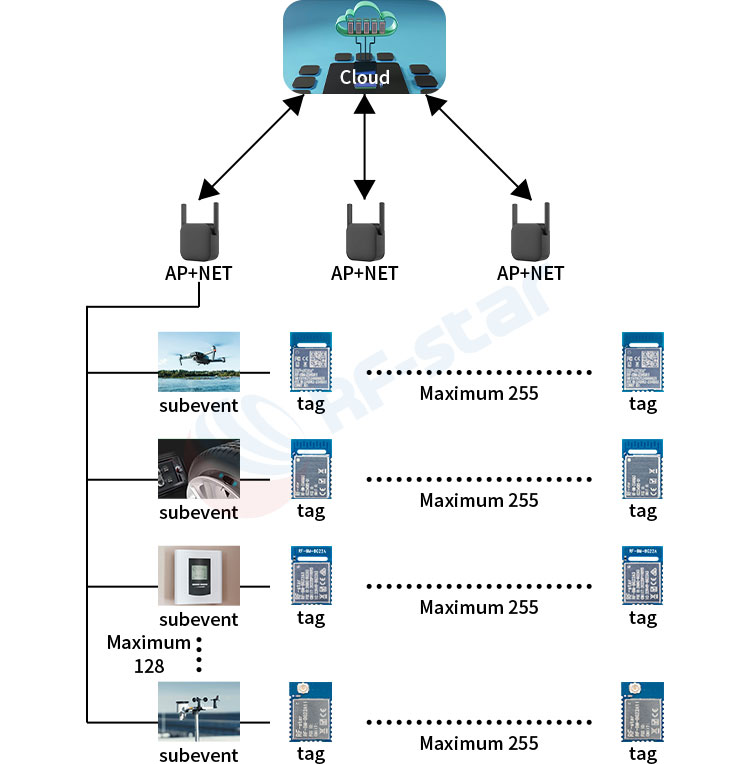
Periodic broadcasting and precise response mechanisms achieve bidirectional communication with millisecond-level latency.
Nanosecond-level time synchronization technology supports ultra-large-scale device collaboration.
Intelligent collision avoidance algorithms improve channel utilization by over 3 times.
Core Technical Parameter Comparison
Power consumption reduced to 1/10 of traditional Bluetooth, extending device battery life from months to years.
Connection density increased by 100 times, significantly boosting the number of devices supported by a single network.
Cost is lower compared to existing RF solutions, creating economic feasibility for large-scale deployment.
Deep Reshaping of Market Application Scenarios
Smart City Infrastructure Upgrade
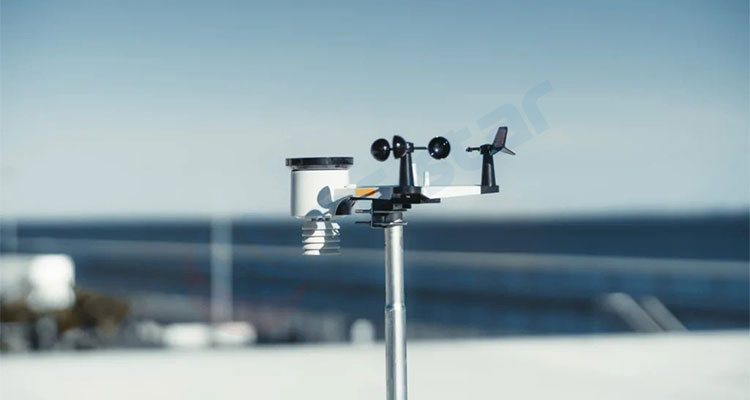
Environmental Grid Monitoring: Deployment of hundreds of air quality nodes per square kilometer for real-time pollution source tracking.
Industry 4.0 Comprehensive Sensing Network
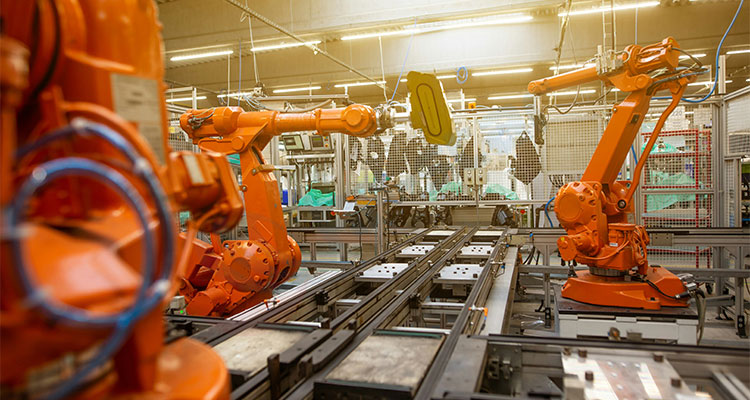
Supply Chain Transparency: End-to-end status tracking from raw materials to finished products, reducing losses by over 15%.
Continuous Health Monitoring

Telemedicine Upgrade: Real-time data upload from home medical devices for precise remote diagnosis by doctors.
The next three years will be a critical period for PAwR technology to move from the laboratory to the market. With the launch of mass-produced products from manufacturers like RF-star, we anticipate seeing groundbreaking applications in smart cities, industrial IoT, and intelligent healthcare. This technology will not only drive an order-of-magnitude increase in the scale of sensor networks but also catalyze new business models and service forms.
Technological change always comes with challenges—standardization, ecosystem development, security, and privacy protection are all issues requiring ongoing attention. However, with the maturation of PAwR technology and the continuous innovation of companies like RF-star, a new era of ubiquitous connectivity and intelligent sensing is accelerating. In this process, the technological accumulation and market experience of Chinese companies in the wireless communication module field will become a significant driving force for global IoT development.
Shenzhen HQ: Room 503, Podium Building No. A-12, Shenzhen Bay Science and Technology Ecological Park, Nanshan District, Shenzhen, Guangdong, China, 518063
Chengdu Branch: N2-1604, Global Center, North No. 1700, Tianfu Avenue, Hi-Tech District, Chengdu, Sichuan, China
電話 : +86 (0)28-86925399
Eメール : info@szrfstar.com
Teams : Sunny Li
Whatsapp : +8618190842785